Hidden
Vallferosa Tower and Torà: Planning a Remote Heritage Visit
Reserve Vallferosa Tower before taking the rural detour, prepare for its uneven approach and use Torà as the day’s reliable heritage fallback.
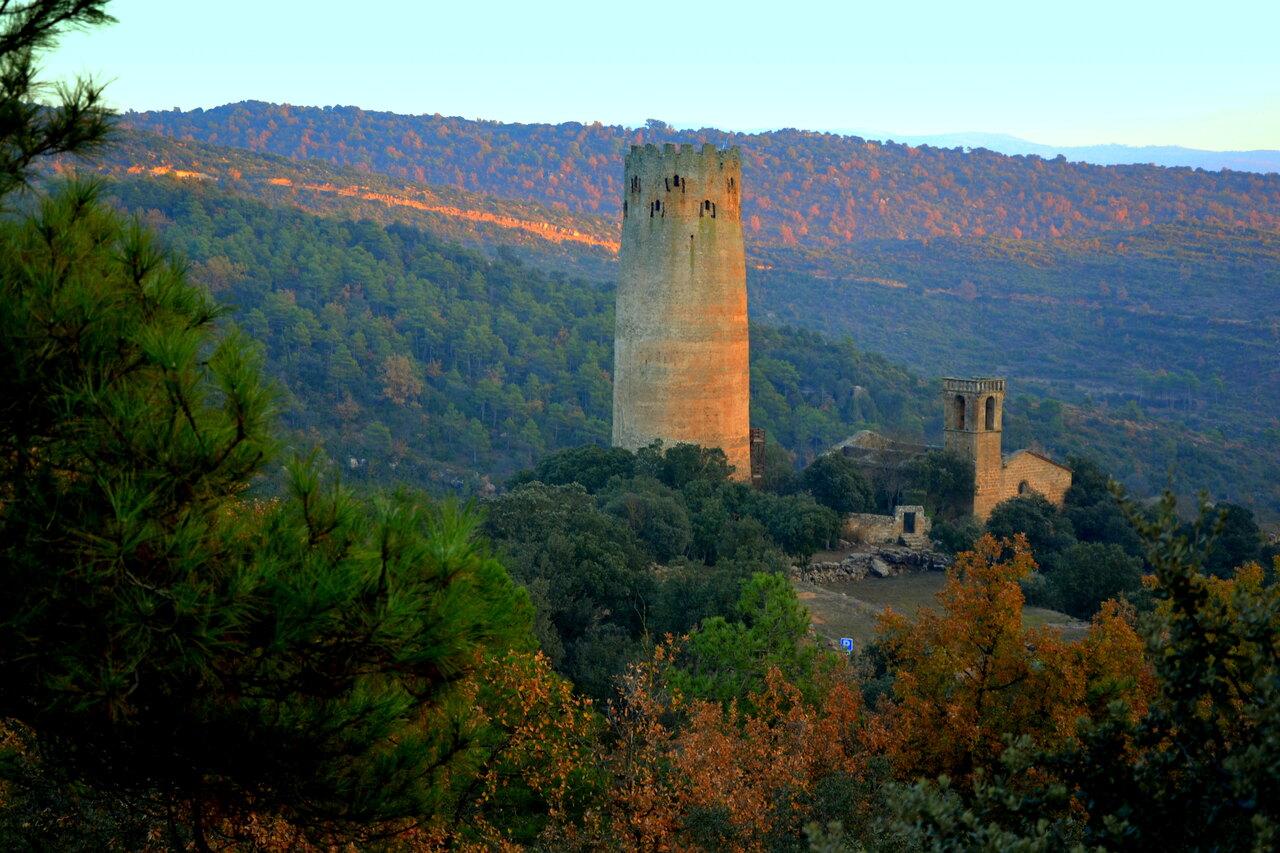
Reserve Vallferosa before driving toward it. The round medieval tower is visible from outside, but the guided interior, church and explanation turn a remote landmark into a heritage visit. Without a confirmed session, keep the day in Torà and regard any lawful exterior view as an optional addition—not a reason to improvise on farm tracks or test a locked entrance.
The Torà municipal guide places Vallferosa about eight kilometres from the town in a landscape of dispersed farmhouses. That small number conceals the real planning issue: the final approach, meeting point and access arrangement matter more than the straight-line distance.
Let the booking determine the day
The municipality’s current tourism leaflet directs tower visitors to the Solsonès booking system and lists guided access to the tower interior and Sant Pere church. The operating guide’s current visit page listed €8 general, €7 reduced, €3 for ages 5–12 and free admission under five when checked in September 2026. Use the dated session shown at purchase, read the meeting instructions and retain the operator’s contact details offline.
Do not rely on an older post that says “Sundays at 11.” Seasonal programs have changed before and may change again. A reservation page with an available date is stronger evidence than a recurring time copied into a blog or map review.
Ask three questions if the booking description does not answer them:
- Where exactly does the group meet?
- How much walking and how many ladders or steep stairs does the visit involve?
- What happens in rain, high wind or another access closure?
Those answers decide whether the visit suits children, visitors with limited mobility or anyone uncomfortable with height and tight circulation.
Understand why the tower is unusual
Vallferosa is not a conventional castle with furnished rooms and a reception desk. The surviving round master tower rises beside the old parish church of Sant Pere in a former settlement whose population dispersed across the valley.
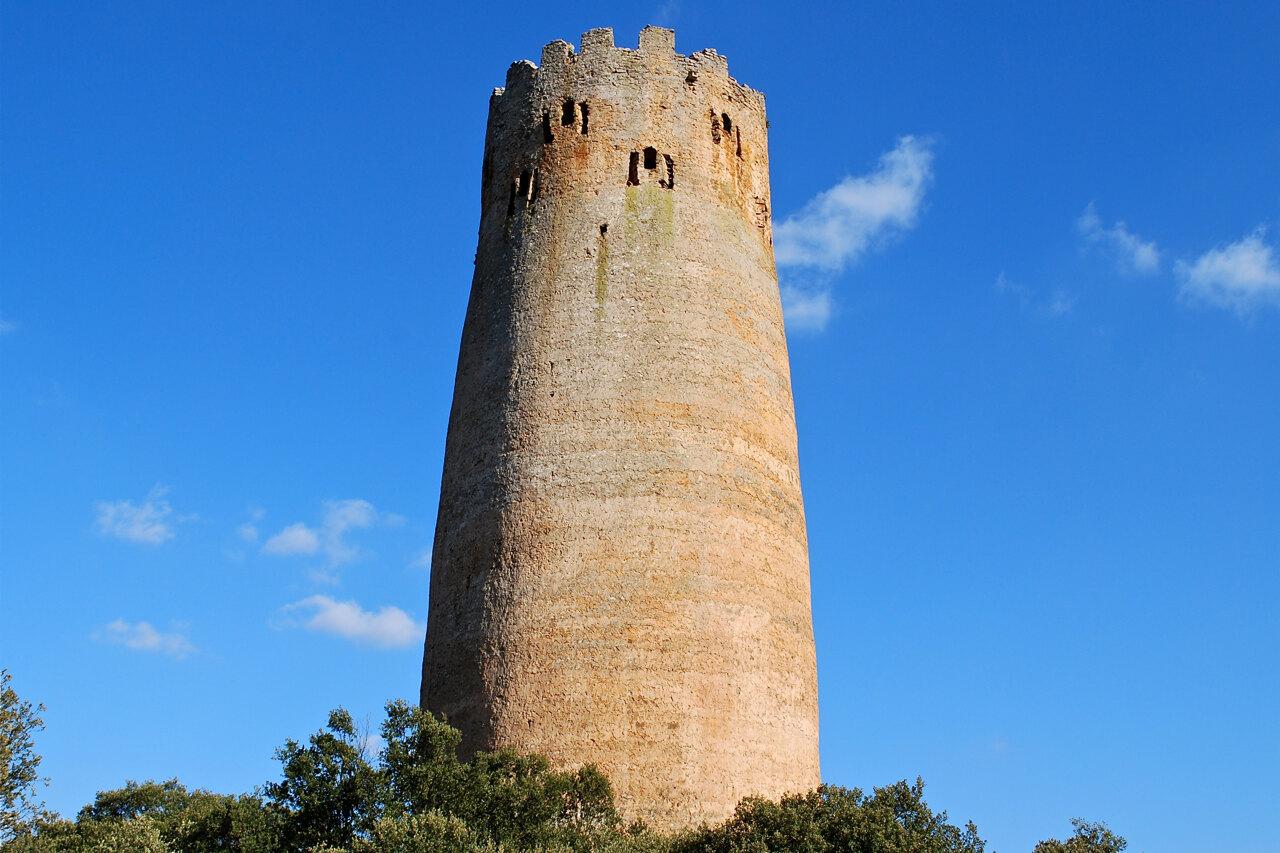
The municipal history describes multiple construction phases, beginning around the late tenth century with an earlier circular tower later enclosed and raised. That layered structure is the point to watch for with a guide: wall thickness, openings, changes in masonry and the original elevated entry explain more than a distant photograph can.
Avoid repeating the promotional claim that it is “Europe’s most important” medieval tower as if importance were measurable. Its remarkable state, height and double-shell development are enough. A responsible visit asks what the building controlled, how it communicated across the frontier landscape and why the associated settlement contracted.
Treat the last approach as rural access
Download the meeting location before leaving Torà. Mobile reception may not be dependable where you need the final turn. Use the route supplied by the visit organizer even if another navigation line appears shorter.
Drive slowly, expect agricultural traffic and leave gates, verges and property entrances clear. A wide patch beside a track is not automatically public parking. If an instruction conflicts with a sign or barrier on the ground, stop and contact the organizer rather than pushing onward.
Wear closed shoes with grip. Around the tower and church, surfaces can include earth, grass, stone and uneven steps. Carry water and a light layer; shade and shelter are limited, while the exposed upper part of a tower can feel cooler and windier than Torà.
The route should not be attempted as an unplanned late-afternoon detour. Daylight, an open visit and clear return directions are part of safe access. Photograph from public or authorized space and do not fly a drone without checking every applicable permission.
Use Torà before or after the appointment
Torà is the practical anchor: fuel, food, toilets and a legible town centre belong here, not at the tower. Arrive early enough to walk part of the old quarter without watching the clock every minute. The municipal tourism directory lists town heritage including Sant Gil, the Font de la Vila, the old oven, Casa dels Cardona and the covered passage at Plaça Jaume Coberó.
Keep that walk selective. Start near the central streets, identify one surviving gateway or older façade, and stop for coffee or lunch during actual service hours. Small municipal museums may require arranged access; never build the fallback around a door you have not confirmed will open.
For a morning tower visit, Torà makes the natural lunch stop afterward. For an afternoon session, eat first and leave a generous driving margin. The day needs no second remote monument. Adding Cellers, Llanera and several churches converts a focused visit into a sequence of uncertain doors and minor roads.
Separate seeing the exterior from entering
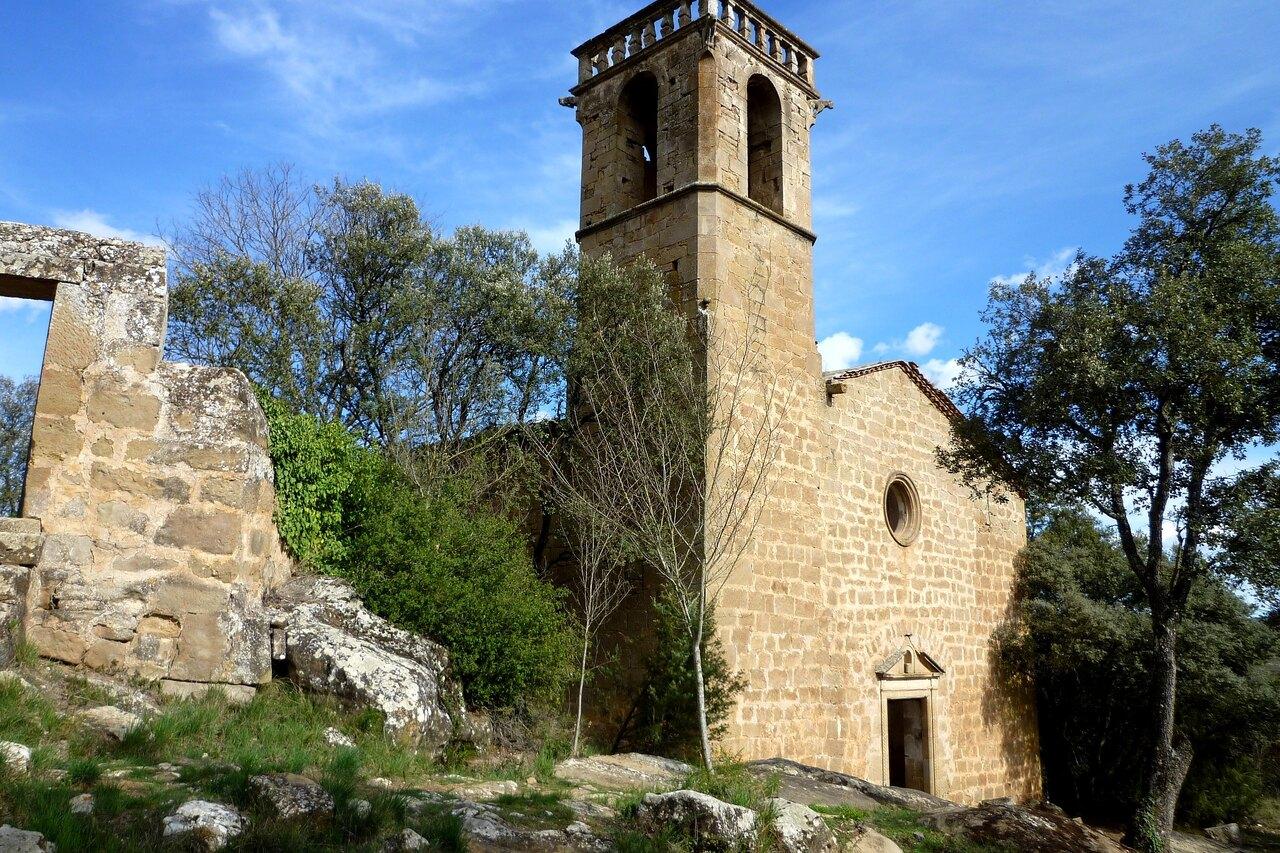
If guided access is sold out, ask whether there is a sanctioned public approach and whether any event affects it. An exterior view can still show the tower’s scale beside Sant Pere and the valley, but it should be described honestly as an exterior visit.
Do not climb, enter or cross barriers independently. The absence of a ticket office does not make a historic structure open access. Nor should a visitor follow another group through a gate without checking in; capacity and supervision can relate to conservation as well as commerce.
When weather cancels a session, use Torà rather than waiting beside the site in hope that conditions improve. Rain makes earthen and stone approaches less secure. Wind matters on exposed masonry and upper levels. The guide responsible for access has more relevant information than a forecast icon viewed from Barcelona.
Decide whether the trip is worth the distance
Vallferosa is strongest for travelers already moving through Solsonès, the Llobregós valley or the inland route between Solsona and Cervera. From Barcelona, the day requires enough interest in medieval architecture and rural settlement to justify the drive. It is not a reliable add-on to a packed Montserrat or Pyrenees transfer.
Allow roughly two to three hours for Torà, the transfer, meeting margin and guided visit, then add your journey to and from the area. That is intentionally generous. Remote heritage is easily diminished when every pause feels like a delay.
The successful day has one fixed point and one dependable fallback. With a confirmed booking, Vallferosa supplies the difficult-to-reach encounter. Without it, Torà supplies a real town and an honest stopping place. Neither outcome requires trespass or the claim that a locked tower has somehow been “done.”
Related guides
- Corbera d’Ebre Old Town: Reading a Landscape Left by War
Visit Corbera d’Ebre’s interpretation centre and ruined old town in an order that preserves historical context, physical safety and respect.
- Cercs Mines: An Industrial-Heritage Day in Berguedà
Plan the Sant Corneli mine-museum visit around its underground sequence, colony history, access limits and a worthwhile above-ground fallback.
- Ullastret Iberian Town: Reading the Archaeological Site
Read Ullastret’s Iberian walls, cisterns and settlement remains with a sensible visit order, current admission and practical access advice.
Are you in the know?
Receive new articles, local updates, and occasional offers from selected partners. We never share your email address. Unsubscribe at any time.
By subscribing you agree to our privacy policy.