Hidden
Cercs Mines: An Industrial-Heritage Day in Berguedà
Plan the Sant Corneli mine-museum visit around its underground sequence, colony history, access limits and a worthwhile above-ground fallback.
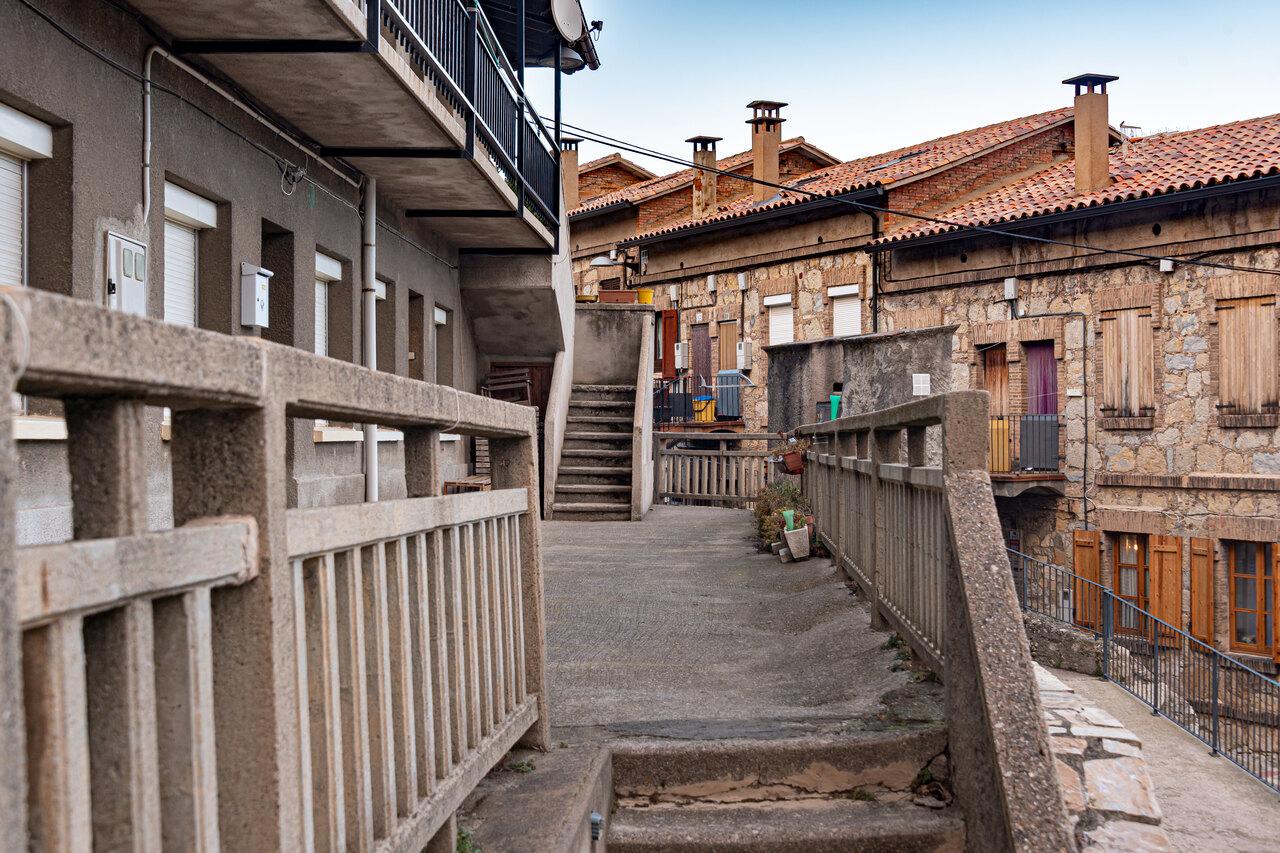
Do not arrive at the Cercs Mines Museum expecting a short train ride with exhibits attached. The useful sequence runs the other way: first understand coal, the company town and the people who lived with the industry; then enter the Sant Romà gallery and recognize what changed as extraction became mechanized. If the underground section is unsuitable for someone in your group, the above-ground museum still has a coherent story.
The museum stands in Sant Corneli, above the main C-16 corridor rather than in Cercs town centre. Allow half a day and reach reception early. The museum’s current visit page lists in-person sales and requires purchase at least two hours before closing for a complete visit. When checked in September 2026, general admission was €11, the reduced rate €8.80, children aged 5–12 €4, and younger children free. Recheck both price and seasonal hours before travelling; Mondays are normally closed.
Begin with the colony, not the tunnel
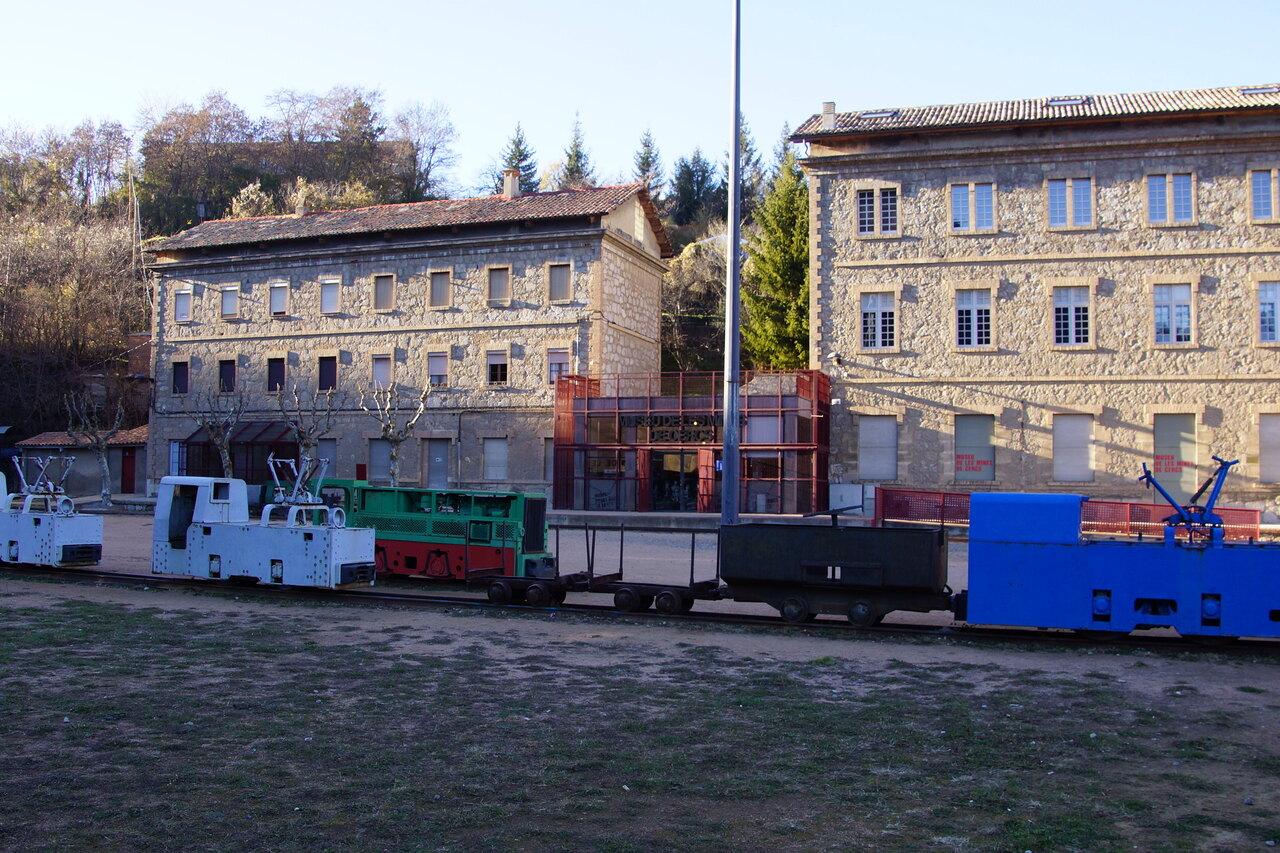
Sant Corneli was part of the mining system, not simply a picturesque village beside it. Housing, school, services, work and company authority were connected. The museum occupies a building that served first as a convent and later as the Hogar del Minero. That setting helps the social galleries make sense before machinery takes over the narrative.
The Cercs municipal account describes a 450-metre section of the Sant Romà gallery and 150 years of coal extraction in Berguedà. Read those figures as a boundary: visitors see an interpreted portion of a much larger industrial landscape, not an intact working mine.
Walk the immediate colony streets before or after the ticketed visit. Look at the relationship between homes, slopes and the former work site. Keep voices and photography restrained around residents; Sant Corneli is not an abandoned film set.
Follow the museum’s chronological logic
The permanent displays divide the subject usefully. One side explains coal, extraction systems, workshops, transport and applications. The other addresses everyday life: housing, health, schooling, women’s work, employer and workers. Give both equal attention.
An object-heavy technical room can tempt visitors to rush toward the train. Pause over how a change in tool or transport altered the body at work: noise, dust, pace, risk and the number of people required. In the social rooms, avoid imagining the colony as either pure solidarity or pure control. The evidence is more valuable when it is allowed to show both community and dependence.
The Generalitat’s Visitmuseum description explains that the gallery continues the chronology from manual extraction to final mechanization. That makes the underground portion a conclusion to the displays rather than a separate attraction.
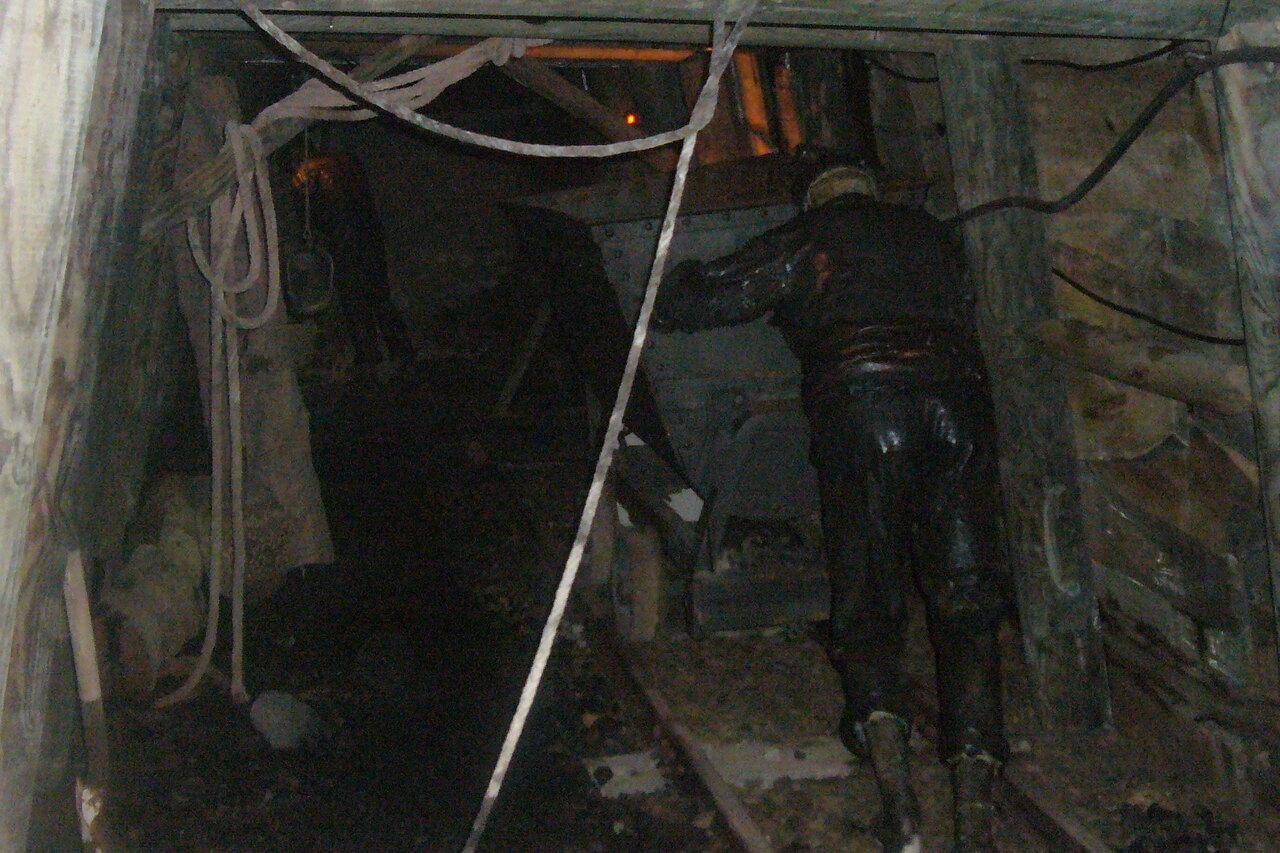
Know what the underground visit involves
Visitors enter the Sant Romà gallery on a mine railway and return on foot with museum staff. Expect a confined industrial space, uneven sensations underfoot, lower light and a cooler, damper environment than the plaza outside. Follow the guide, keep clear of equipment and do not leave the interpreted route.
Ask the museum directly about current accessibility before travelling. A site can offer adaptations in its main building while an original gallery imposes different limits. Mention wheelchairs, walking aids, hearing or visual requirements, claustrophobia and any medical concern when booking or calling. Do not wait until boarding to discover that one part of the experience is a poor fit.
Wear closed shoes with dependable grip and carry a light layer even in summer. A helmet or other equipment supplied on site does not replace appropriate footwear. Large bags add little inside; leave nonessential belongings secured as instructed.
Children who dislike darkness or loud staged effects need an honest explanation before entry. The right choice may be the galleries and colony without the mine, not pressure to complete every component.
Drive the final kilometres deliberately
From the C-16, the official approach leaves the main road near the former Cercs power-plant area and climbs roughly 4.5 kilometres on the BV-4025 toward Sant Corneli and Fígols. This is the part to enter into navigation before departure. Searching only for “Cercs” can leave you below the museum with the timed visit approaching.
Public-transport possibilities in Berguedà change by day and season, and the final climb is the weak link. Confirm a service to the actual museum area and the return before treating the visit as car-free. A bus to Berga or Cercs is not evidence of transport to Sant Corneli.
If driving from Barcelona, do not build a second major sight into the morning. Traffic on the C-16 and the museum’s last-entry rule make a late arrival expensive. From Berga, keep a similar buffer for parking, tickets and orientation rather than using the shorter distance as an excuse to cut it close.
Give lunch and the landscape a supporting role
Confirm where and when you will eat. Opening patterns in a small upland settlement are not those of a city museum quarter. A reserved lunch after the visit is better than assuming every listed restaurant serves continuously. Carry water, but do not eat in exhibition spaces unless explicitly allowed.
One modest landscape stop is enough afterward. A legal viewpoint over the mining basin can reveal how extraction, settlements, roads and the reservoir reshaped the valley. Avoid turning the afternoon into a hunt for derelict structures. Fences, unstable ground and industrial remnants are not invitations to explore.
The day works especially well for visitors already based in Berga or crossing Berguedà on the C-16. It is less convincing as a rushed detour between Barcelona and the high Pyrenees, when the museum becomes another deadline between long drives.
When the mine section is unavailable
Keep the trip if the permanent museum is open and your interest includes labor, technology and settlement history. Spend longer in the two gallery strands, walk Sant Corneli respectfully and ask staff which exterior elements can be understood from public space. The visit will be different, but not empty.
If the entire museum is closed, do not wander around shafts or restricted industrial ground. Move the day to Berga or another confirmed public heritage site and reschedule Cercs. The hidden value here comes from interpretation and access, not from crossing a barrier to photograph a ruin.
A successful visit leaves the mine train in proportion. It is the physical transition into the story, not the story itself. The lasting questions concern who extracted the coal, how work changed and what happened to a community when the industry that organized it disappeared.
Related guides
- Corbera d’Ebre Old Town: Reading a Landscape Left by War
Visit Corbera d’Ebre’s interpretation centre and ruined old town in an order that preserves historical context, physical safety and respect.
- Vallferosa Tower and Torà: Planning a Remote Heritage Visit
Reserve Vallferosa Tower before taking the rural detour, prepare for its uneven approach and use Torà as the day’s reliable heritage fallback.
- Ullastret Iberian Town: Reading the Archaeological Site
Read Ullastret’s Iberian walls, cisterns and settlement remains with a sensible visit order, current admission and practical access advice.
Are you in the know?
Receive new articles, local updates, and occasional offers from selected partners. We never share your email address. Unsubscribe at any time.
By subscribing you agree to our privacy policy.