Culture
Sant Pere de Rodes: Monastery, Mountain and Sea
Visit the monastery as the heart of a medieval mountain complex, adding Santa Creu only when wind, visibility and walking conditions allow.
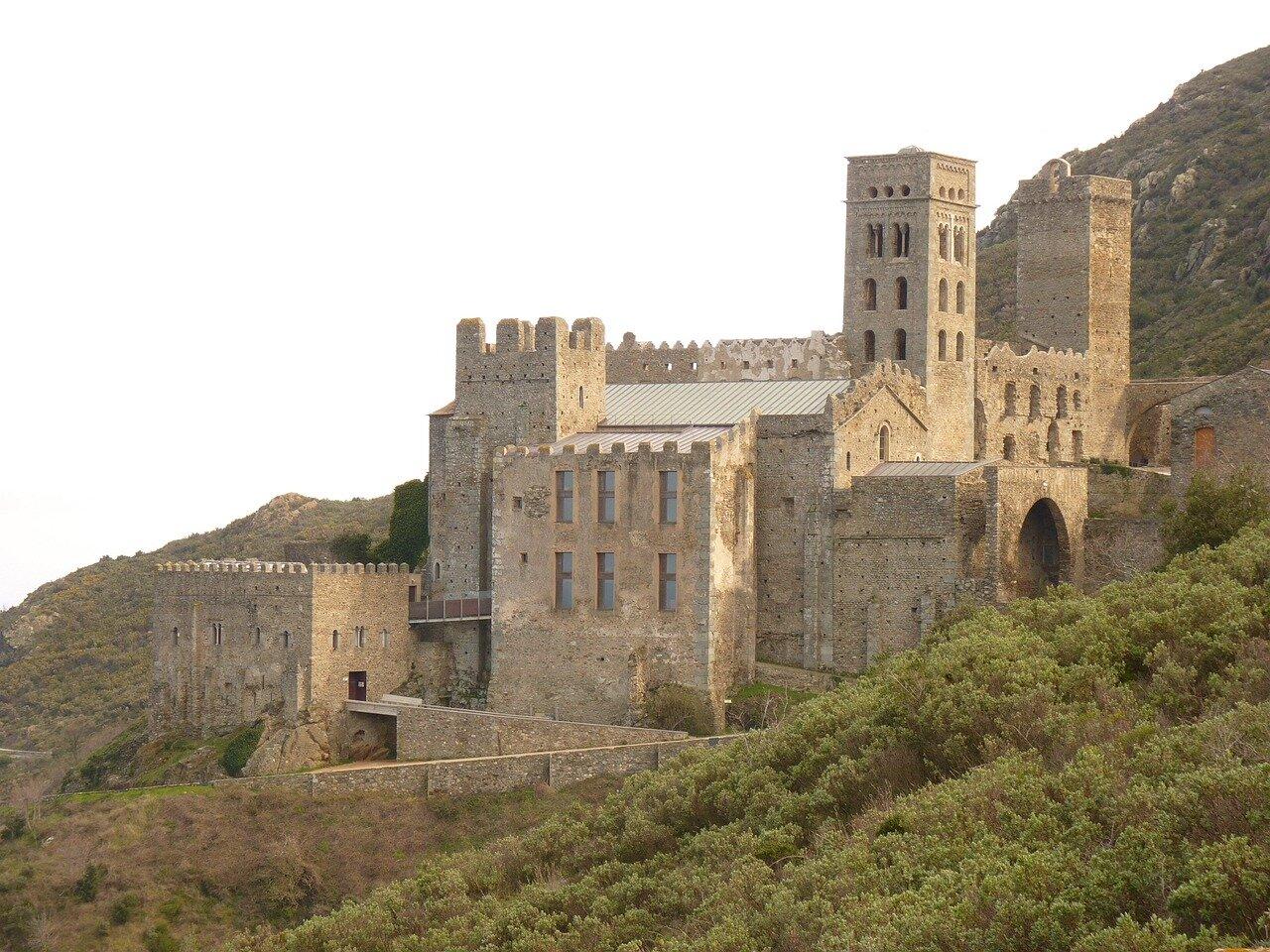
Sant Pere de Rodes is more than a monastery with a sea view. On the Verdera ridge, prayer, settlement and defense once occupied different heights: the monastery, the abandoned village of Santa Creu and the castle above them. A good half-day begins inside the monument and treats every climb beyond it as optional mountain terrain.
The official monument page lists standard admission at €7 and reduced admission at €5. Current hours are Tuesday–Saturday, 10:00–17:30 from October through April and 10:00–19:00 from May through September; Sundays and holidays close at 15:00. The ticket office closes thirty minutes earlier, and non-holiday Mondays are closed. Recheck the date because the official page explicitly overrides older published schedules.
Give the monastery the first ninety minutes
Drive the signed mountain approach from Vilajuïga or El Port de la Selva slowly. Wind, fog, cyclists and summer traffic can all change the road. Park only in marked areas, carry water and bring a windproof layer even when the bay below feels warm.
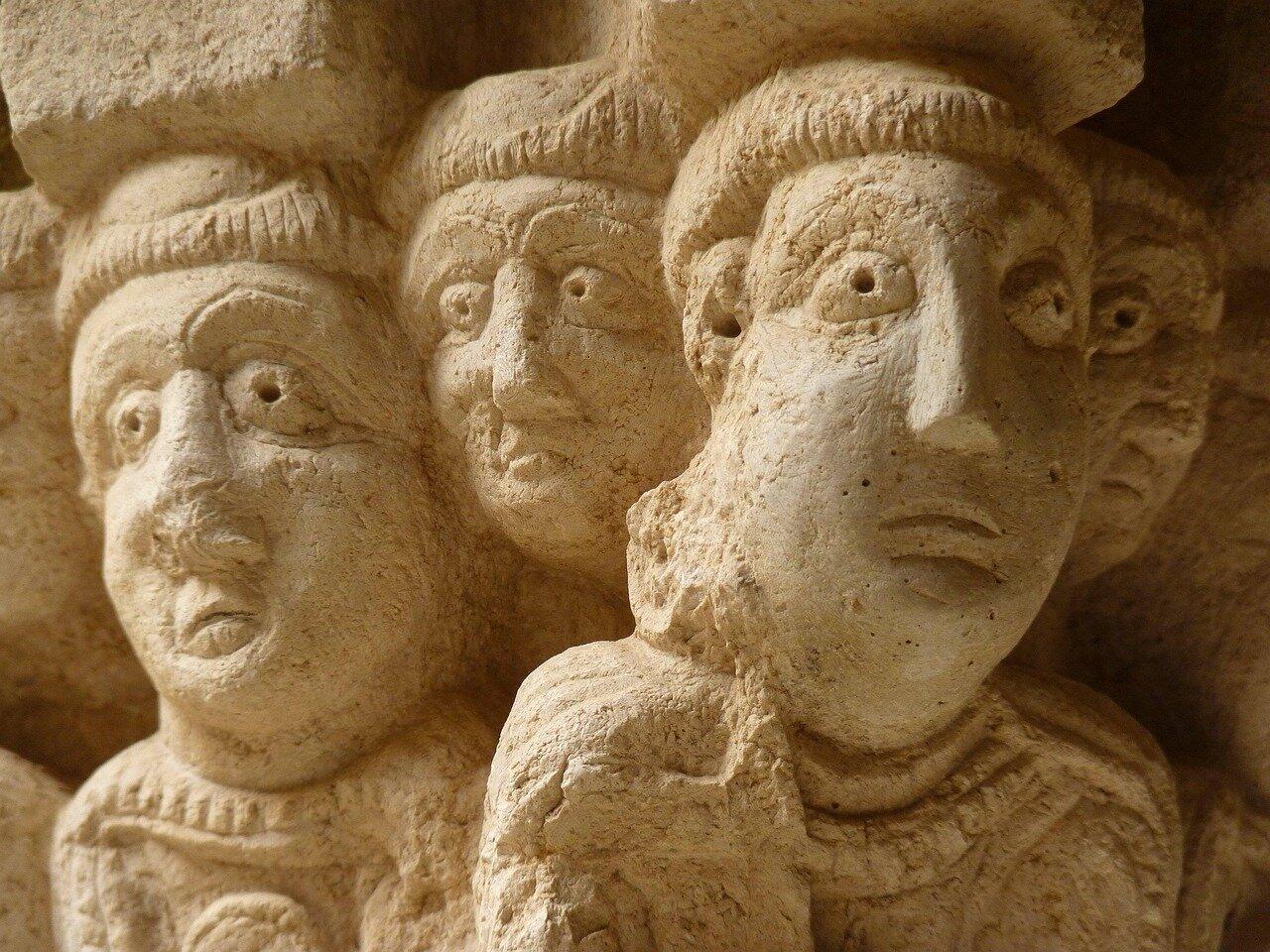
Inside, follow the relationship between church, cloister, tower and terraces rather than rushing to each viewpoint. The complex makes its scale clear gradually. Pets are not admitted, and the official site says the facilities are not adapted for people with disabilities; contact staff before travel when historic steps or surfaces may prevent the intended visit.
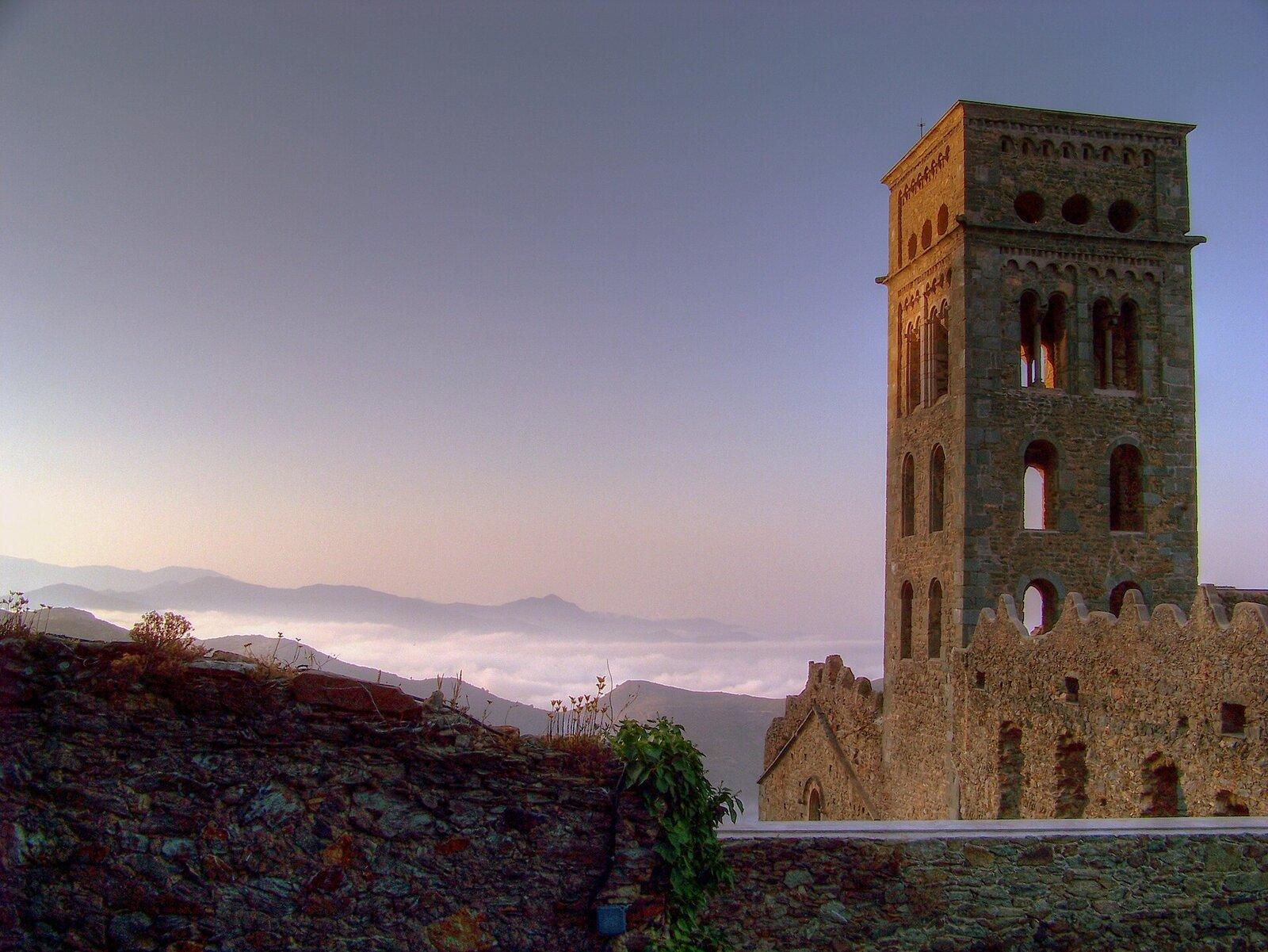
Allow the changing light and mountain silence to do part of the interpretation.
The on-site restaurant has limited listed days and requires an admission ticket for access. Do not rely on it without confirming. A packed snack or a meal after descending is the more resilient plan.
Santa Creu is the sensible extension
If visibility, wind and footwear are good, walk to the remains of Santa Creu de Rodes. Uneven ground turns a short-looking extension into a real outdoor segment. The village helps explain the people who supported the monastery and makes the three-part medieval landscape more legible.
Verdera Castle is a steeper, more exposed commitment. Add it only for equipped walkers with enough daylight and a stable forecast. A photograph from above is not worth pressing on through tramuntana, thunder, heat or poor visibility.
Allow four to five hours including road approach, monastery and one optional walk. If conditions are poor, keep the interior and descend for lunch in El Port de la Selva or Vilajuïga. The monastery is the reason for the journey; refusing the summit does not diminish it. Verify weather, road access, opening, restaurant service and walking conditions before departure. Allow extra time for the final road and the exposed approach. Comfortable shoes, water, and a weather check matter more here than adding another stop; if wind or cloud makes the viewpoint unpleasant, spend longer inside the monastery and use the nearby village as the meal fallback.
Related guides
- Corbera d’Ebre Old Town: Reading a Landscape Left by War
Visit Corbera d’Ebre’s interpretation centre and ruined old town in an order that preserves historical context, physical safety and respect.
- Escornalbou Castle-Monastery: A Quiet Heritage Visit
Plan a visit to Escornalbou above Riudecanyes with road access, timed interiors, viewpoints, walking effort, costs, and nearby pairings.
- Reus Modernisme: An Architecture Day on Foot
Read Reus through its commercial streets, Domènech i Montaner façades and one well-chosen interior instead of hunting Gaudí buildings that are not there.
Are you in the know?
Receive new articles, local updates, and occasional offers from selected partners. We never share your email address. Unsubscribe at any time.
By subscribing you agree to our privacy policy.