Culture
Reus Modernisme: An Architecture Day on Foot
Read Reus through its commercial streets, Domènech i Montaner façades and one well-chosen interior instead of hunting Gaudí buildings that are not there.
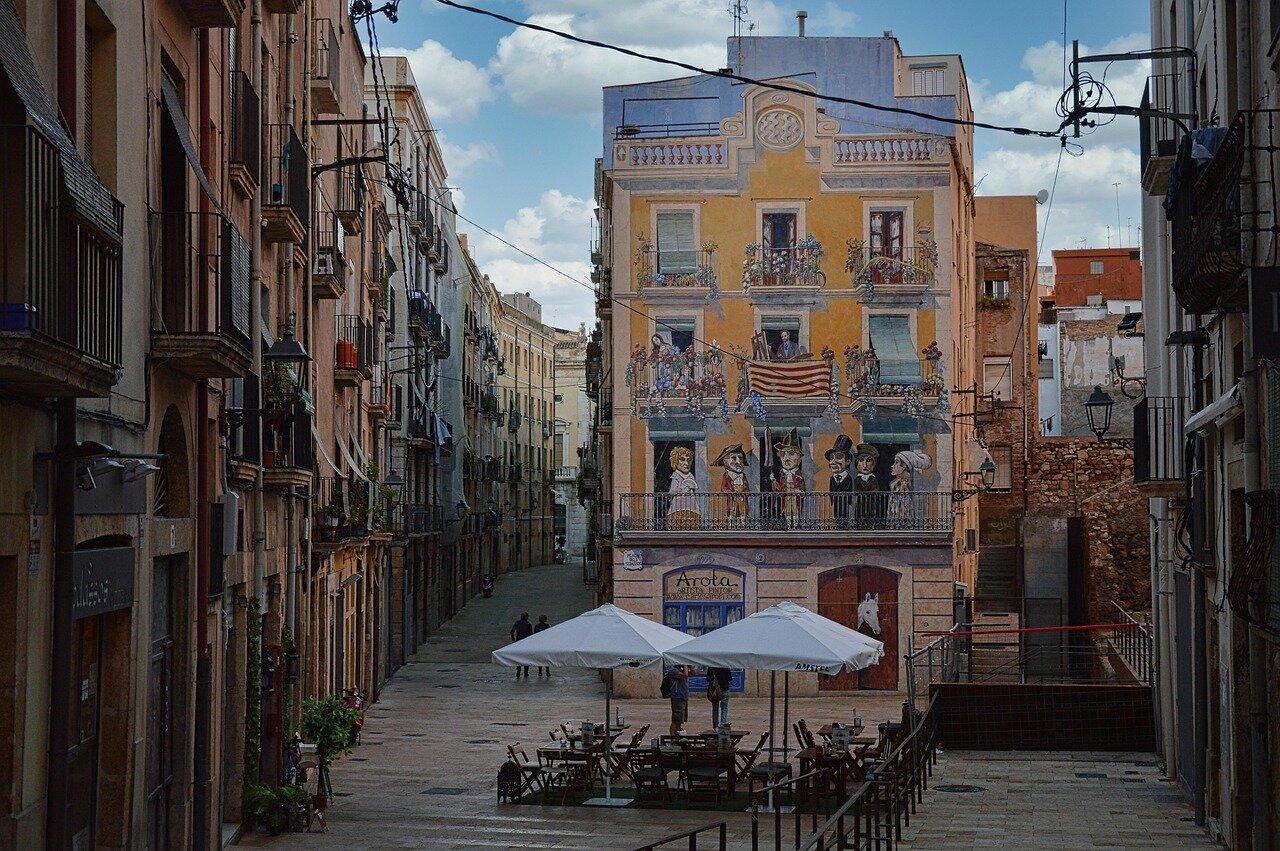
Reus is the city of Gaudí’s childhood, but it is not a city of Gaudí buildings. That apparent disappointment is the key to a better architecture day. The streets show how Modernisme entered wealthy homes, shops and civic life through architects such as Lluís Domènech i Montaner; the Gaudí Centre then explains the ideas of a native son whose major works stand elsewhere.
Walk from the railway station to Plaça del Mercadal and begin with the street rather than the museum. Reus Turisme’s official Modernisme route marks 29 buildings from a local catalogue of almost 80. Gold plaques in the pavement identify the façades, and the central route is largely flat. Download the map, but select eight to twelve stops instead of treating all 29 as a scavenger hunt.
Let Casa Navàs set the scale
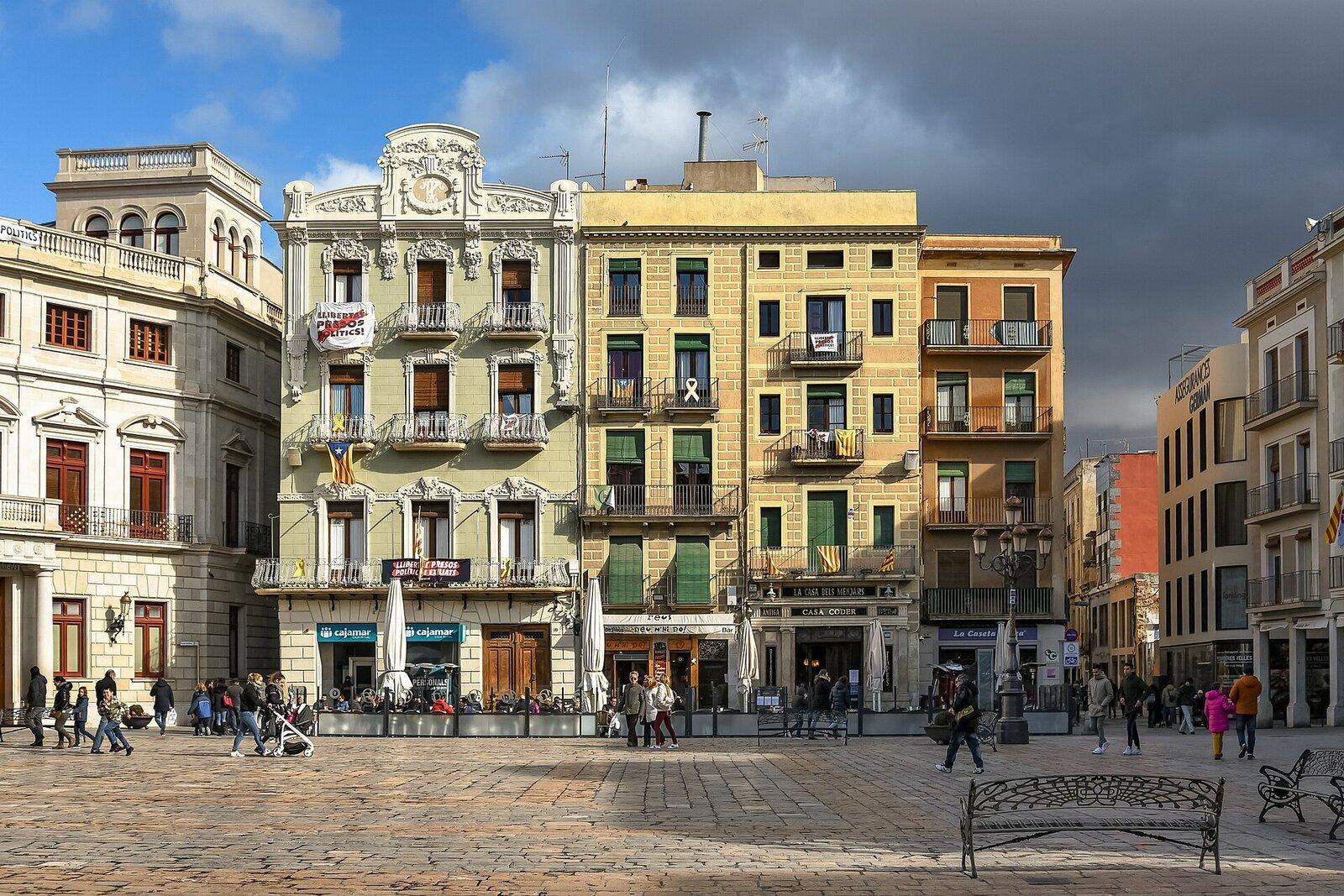
Plaça del Mercadal gives the day its anchor. Casa Navàs occupies one side of the square, while the Gaudí Centre faces it from another. If an interior visit to Casa Navàs is available for your date, reserve it and let that be the only timed architecture tour. Otherwise, study the exterior from public space and continue toward other Domènech i Montaner works on the signed route.
Many buildings remain private or commercial. Look at ironwork, ceramics, carved stone, bay windows and the relationship between an ornate upper façade and the shop below. Do not follow residents through a doorway or assume a courtyard is public because a photograph exists online.
Pause at the market or a neighborhood dining room around 13:00. Reus works because Modernisme remains embedded in an ordinary shopping city; lunch and active shopfronts are part of the reading, not time lost between monuments.

Use the Gaudí Centre to correct the myths
Allow 75–90 minutes for the Gaudí Centre. After its 2026 renovation, the official page describes permanent displays on Gaudí, Modernisme and Reus. It lists weekday opening of 10:00–14:00 and 16:00–19:00 from October through May, continuous 10:00–20:00 weekday opening from June through September, and 10:00–14:00 on Sundays and holidays. General admission was €11 when checked. Confirm the exact day, because closures and special calendars override the pattern.
The center is interpretive: use it to separate Gaudí’s biography and design principles from buildings physically present in Reus. If you enter after walking, models and explanations answer questions raised by the façades rather than becoming an abstract introduction.
Allow six to eight hours and five to seven kilometers from station to station. In summer, put the longer outdoor loop before lunch; in rain, shorten it between the market and the center. A missed interior does not invalidate the city, but it should not be replaced by trespassing into another one. Verify rail, the route map and every paid interior before departure.
Related guides
- Sant Pere de Rodes: Monastery, Mountain and Sea
Visit the monastery as the heart of a medieval mountain complex, adding Santa Creu only when wind, visibility and walking conditions allow.
- Colònia Güell: Read the Village Before Calling It Gaudí's Laboratory
Take the train from Barcelona for Gaudí's crypt, then keep walking through the industrial settlement that explains why it was built.
- Serra de Llaberia: A Remote Landscape Without a Summit Race
Use Llaberia village, the official Miranda circuit and firm turnaround rules to experience the massif without forcing a summit in poor conditions.
Are you in the know?
Receive new articles, local updates, and occasional offers from selected partners. We never share your email address. Unsubscribe at any time.
By subscribing you agree to our privacy policy.