Hidden
Capellades Paper Mill Museum: A Hands-On Heritage Day
Visit Capellades’ working paper heritage through a guided museum tour, optional workshop and Bassa walk, with prices and arrival advice.
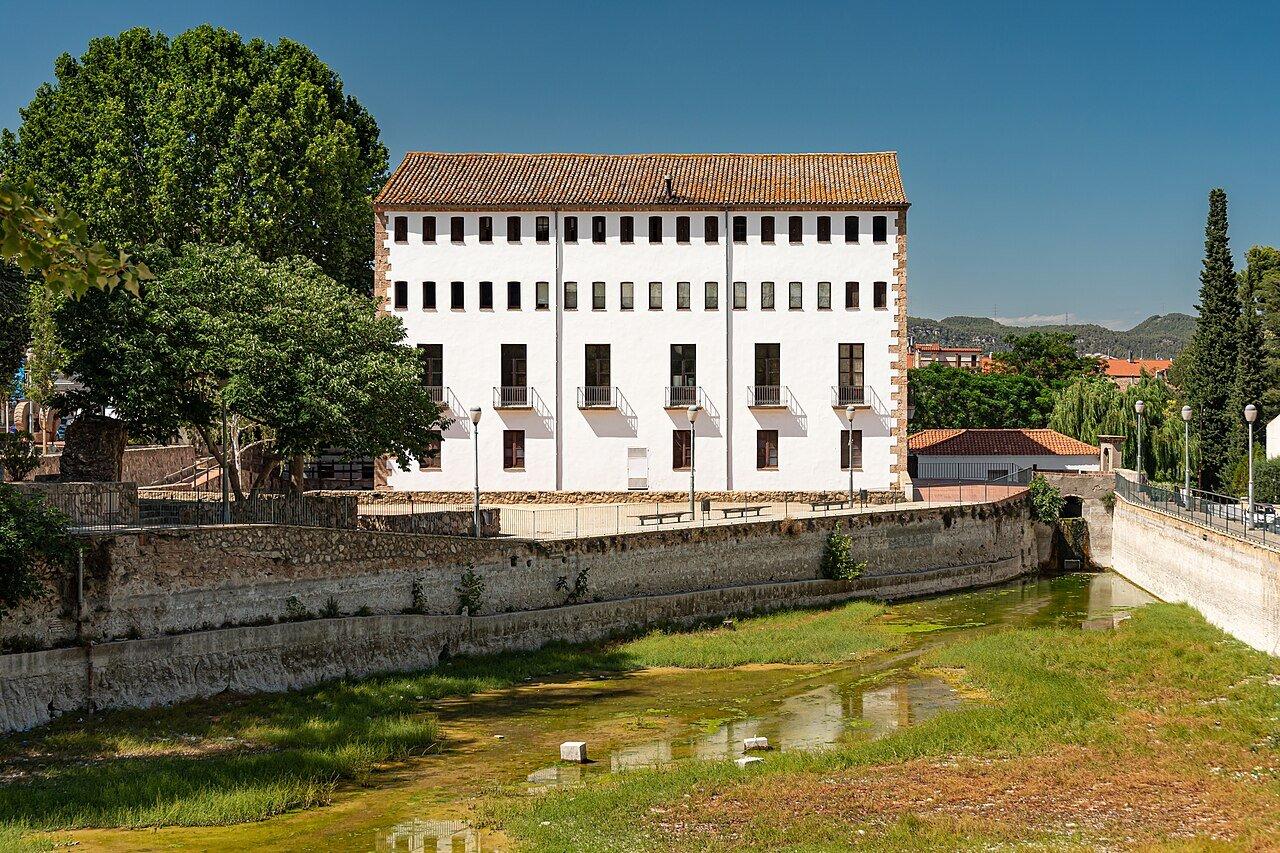
Capellades gets skipped because nothing about it announces itself from the road. The town sits below a limestone cliff in the Anoia, on the way to somewhere else, and its one great industry — paper — left behind buildings that look like houses rather than monuments. For a couple of centuries this valley was one of the most important papermaking districts in southern Europe, working the constant, cold water that rises at the foot of that cliff and collects in the pond the town calls the Bassa.
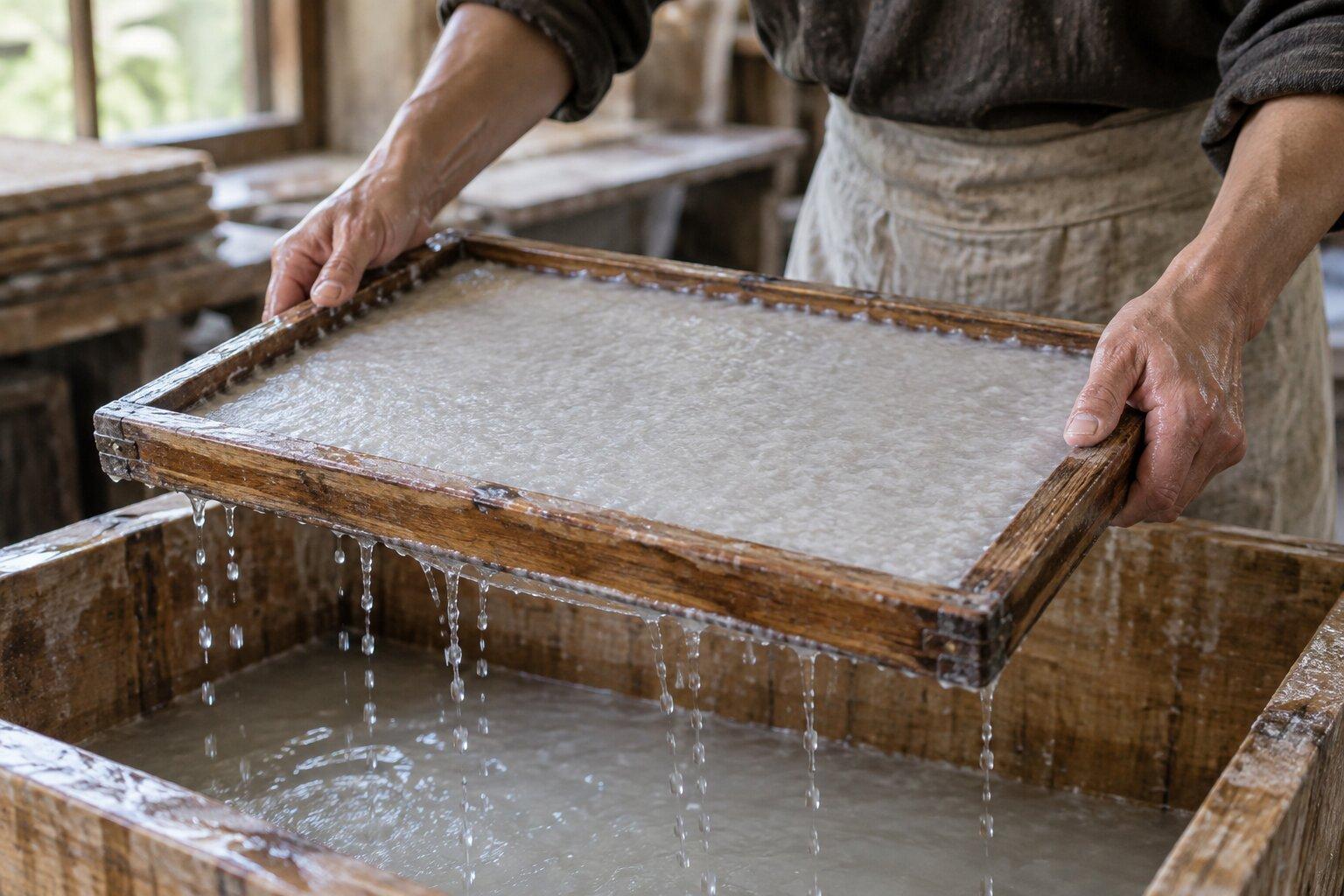
The Museu Molí Paperer occupies one of those mills at Pau Casals 10, directly beside the water that once drove it. What makes the visit worth a detour is that paper here is still a material being handled rather than a display case: fibre suspended in water, a sheet lifted out on a mould, pressed, and left to dry. Add the family workshop and children get to do the lifting themselves.
Budget a half-day in the town, with 75–90 minutes as a planning block for the museum and any booked activity, and count travel separately. The pond and the streets around it make a good twenty minutes before your appointment.
Reserve the language as well as the slot
The museum's hours and tariffs list standard admission at €7.50 and reduced at €4.25, with a €3.50 supplement for the family workshop. The ticket includes the guided visit, and the guided visit is the visit — there is very little to do here unaccompanied.
Reservations are required. Weekdays run 10:00–14:00; weekends and holidays 10:30–14:30, with guided visits listed at 11:00 and 12:30. The museum also publishes specific Christmas and New Year closures, so fix the session before you arrange lunch or an onward stop.
Tours are normally in Catalan. If you need English, arrange it with the museum directly before you book transport, because the machinery is a great deal more interesting with the commentary attached — the difference between watching a vat being stirred and understanding what the stirring is for. Confirm at the same time whether the workshop is part of your reservation or a separate booking.
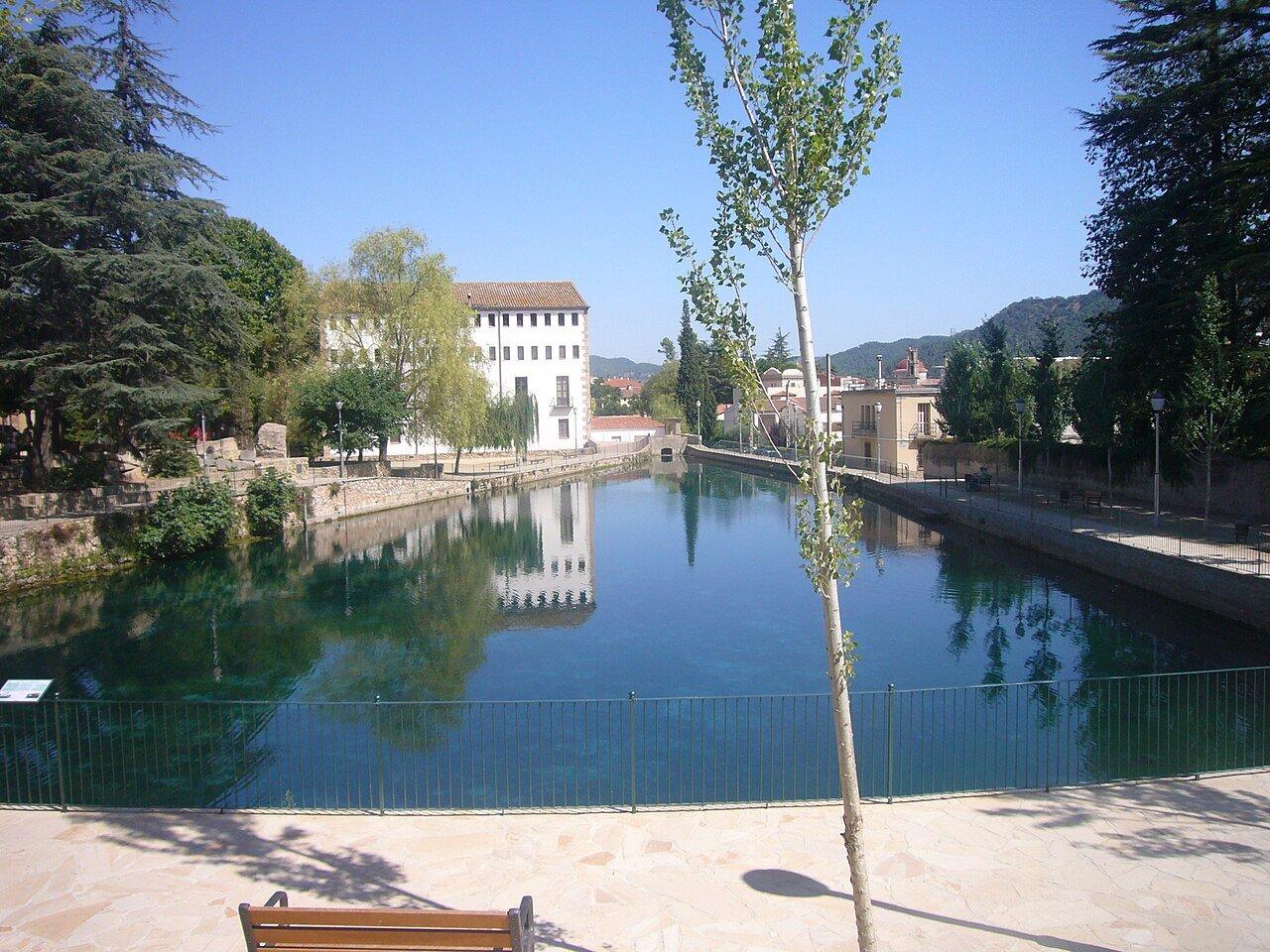
Arrive beside the Bassa, not at the station
A car is the simplest way to do this as a compact half-day from Barcelona: roughly 1–1¼ hours each way depending on traffic, signed parking in town, then a short walk. Leave a 20-minute margin at the end for parking, toilets and collecting tickets, because the guided visit leaves at a fixed time.
Capellades has a railway station, and it is not in the middle of town. Use the museum's own arrival guidance together with the dated FGC timetable to settle the last leg before you rely on it; if the local connection does not fit the tour times, a direct coach or a car is the better answer.
Allow €25–40 per adult for admission, an optional workshop and a modest lunch, before transport. Children have their own tariff — use it rather than halving an adult figure. For three or four people a shared car usually wins on cost, provided fuel and parking stay in the sum.
Follow one sheet through the mill
The most rewarding way to take the tour is to pick a single sheet and follow it. Rag and fibre go into water; the mould comes out carrying a layer so fragile it barely holds together; pressing turns it into something with a surface; drying turns it into paper. Children who would glaze over at a room of machines will usually stay with that thread from start to finish.
It helps that the craft has not stopped. The museum still presents handmade-paper production in a range of formats, which keeps the building on the right side of the line between a working heritage site and a shed full of retired equipment. The cigarette papers and fine sheets that made this valley's reputation were made exactly this way, a few metres from where you are standing.
During demonstrations, stay where the guide puts you. Wet floors, working tools and a press need clearance, and staff will tell you which parts visitors may touch.
Take the workshop if making beats watching
Book the workshop if the idea of forming your own sheet appeals. Ask about age suitability and duration when you reserve, and arrange lunch for afterwards rather than trying to wedge it between the tour and the activity.
Bring something flat to carry your paper home in, and follow staff advice if it is still fragile — a fresh sheet folded into a rucksack is not a souvenir, it is a crease. If you have bought paper as well, ask how to pack it.
Anyone with mobility or sensory access needs should describe the need to the museum directly and ask about the demonstration route rather than the entrance. Converted industrial buildings tend to have changes of level, tight doorways and noisy machinery even where the front door is straightforward, and staff can tell you which parts of the route work.
Finish at the water that made the town
After the tour, walk the path round the Bassa. Seeing the spring-fed pond after seeing the machinery closes the loop: the mills were here because the water was here, reliable and cold, year round. Ten minutes on that path explains the whole industry better than a panel would.
The cliff above the town also holds one of Catalonia's best-known prehistoric rock shelters, excavated over many seasons — if that interests you, ask the tourist office what is currently open to visitors rather than assuming you can walk up to it.
Reserve lunch if your tour finishes into the busiest weekend sitting. And if the guided visit you wanted is full, take a different session rather than coming anyway: the paper-making is the reason for the journey, and without it you have driven an hour to look at a pond.
Related guides
- Ullastret Iberian Town: Reading the Archaeological Site
Read Ullastret’s Iberian walls, cisterns and settlement remains with a sensible visit order, current admission and practical access advice.
- Tivissa and Castellet de Banyoles: An Iberian Half-Day
Visit Tivissa before the Iberian city of Kum, with the reservation, road access and exposed archaeological terrain planned honestly.
- Isona Dinosaur Day: Museum, Geosites and Footprints
Build an evidence-led dinosaur day around Isona, its museum, one official geosite, realistic driving, family pacing, and weather.
Are you in the know?
Receive new articles, local updates, and occasional offers from selected partners. We never share your email address. Unsubscribe at any time.
By subscribing you agree to our privacy policy.