Hidden
Tivissa and Castellet de Banyoles: An Iberian Half-Day
How to pair Tivissa’s old lanes with the Castellet de Banyoles Iberian site, including road access and guided-visit choices.

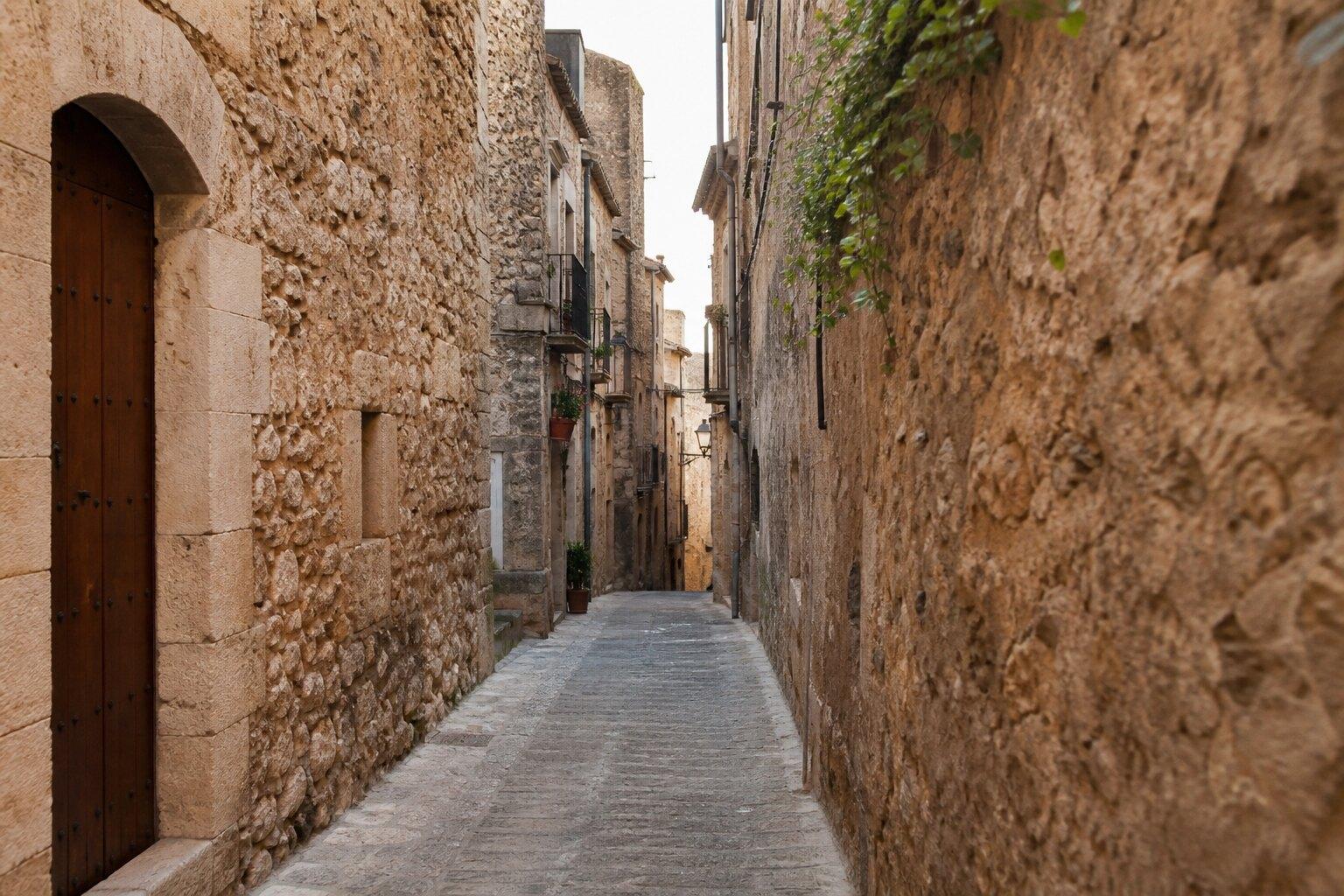
Begin in Tivissa so the landscape and recovered objects have context before the exposed site. The practical version of Tivissa and Castellet de Banyoles begins with one clear start, a limited sequence, and a fallback that does not require improvising late in the day.
Plan at a glance
- Start: Tivissa tourism office or Plaça de la Baranova.
- Order: Tivissa old town → C-44 approach → Castellet de Banyoles/Kum → Ebro viewpoint.
- Total time: 4–5 hours.
- Effort: 2–4 km on uneven archaeological ground plus a short drive.
- Indicative budget: €10–35 per person plus transport.
- Reserve ahead: General site access is free; reserve guided activities in advance.
Why this sequence works
Begin in Tivissa so the landscape and recovered objects have context before the exposed site. The archaeological enclosure lies off the C-44 northeast of town; save its exact access point rather than entering only the name ‘Banyoles,’ which can send navigation toward the lake city in Girona province.
Write the order on one line before setting out: Tivissa old town → C-44 approach → Castellet de Banyoles/Kum → Ebro viewpoint. Mark the fixed booking, the optional stop, and the point after which turning back becomes awkward. That small distinction prevents the common mistake of giving equal importance to every stop and then rushing the part that justified the trip.
Arrival and the first fixed point
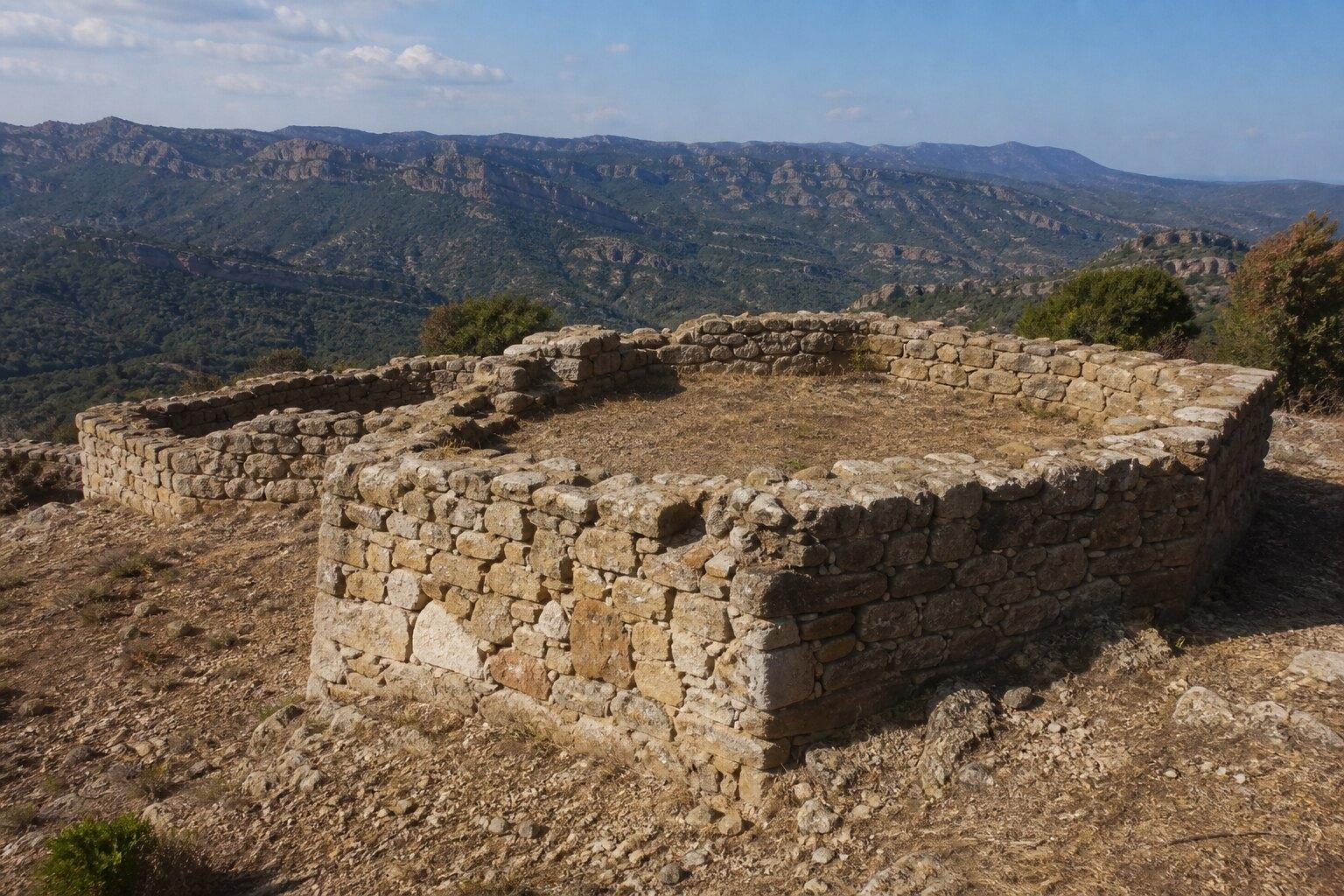
Give the old town 60–90 minutes, then drive to the site for another 60–90 minutes. A guided visit is the better choice for reading wall bases and the distinctive pentagonal towers. In summer, use the first available morning slot and avoid the treeless midday plateau.
For Tivissa and Castellet de Banyoles, use Tivissa tourism office or Plaça de la Baranova as an operational meeting point, not a vague destination. Save the entrance, platform, car park, or trailhead offline and allow time for toilets, ticket checks, equipment adjustment, and the final walk from transport. Those transitions rarely appear in an advertised duration but regularly consume 20–40 minutes.

What the day really costs
Independent entry is currently listed as free, while guided activities require reservation and may be priced by group. Allow €10–20 for lunch or a picnic and a small fuel share. Confirm the guide fee, minimum group, language, and meeting point in writing.
Treat €10–35 per person plus transport as a planning envelope, not a promise. Separate fixed costs from food, upgrades, parking, local transfers, and purchases. Keep a reserve large enough to use the fallback without making an unsafe or exhausting choice merely because the cheapest version has already failed.
Time, terrain, and access
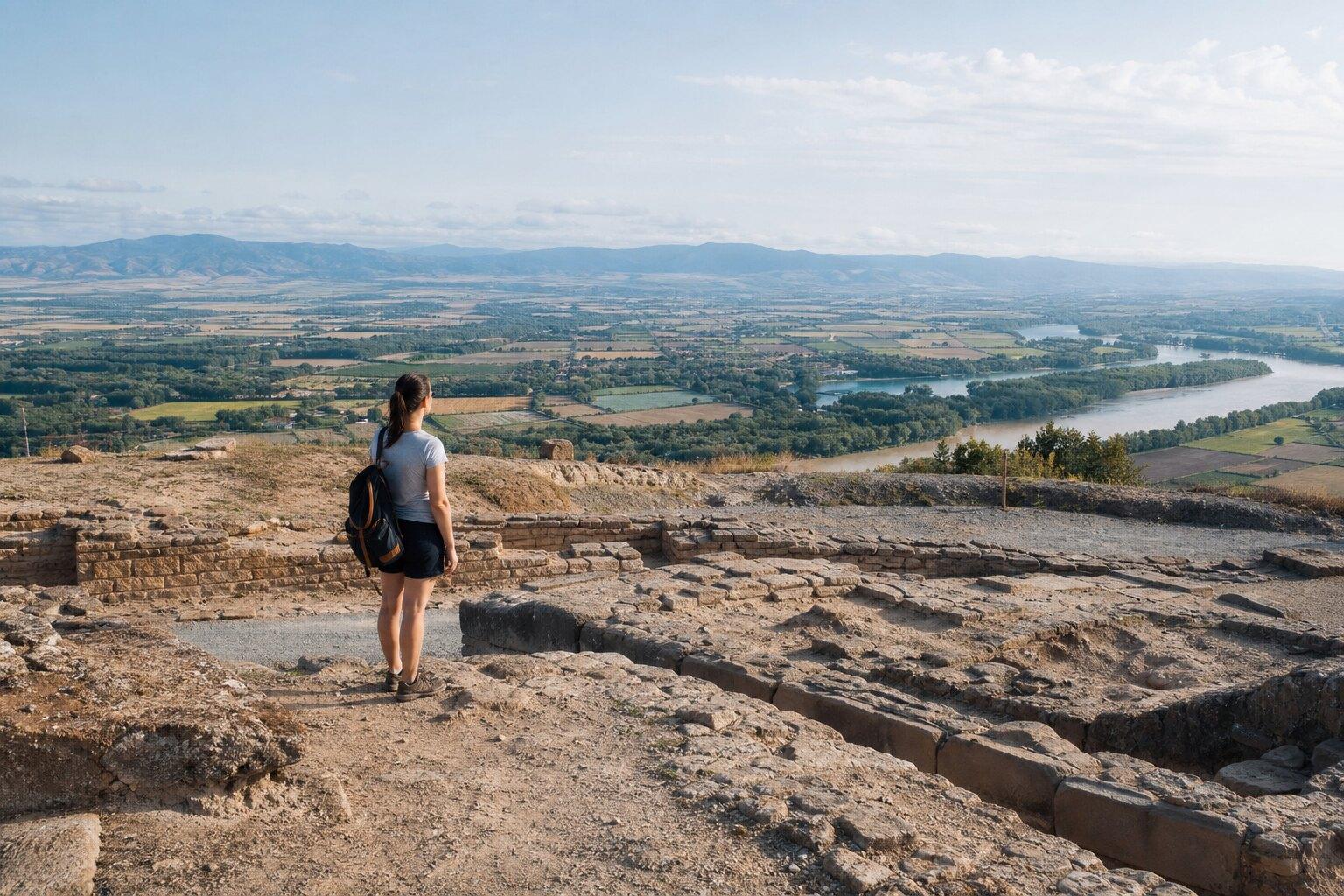
The ruins occupy uneven, open ground with limited shade. Closed shoes, water, and sun protection are essential. Ask the operator about the shortest accessible viewpoint if someone cannot walk the full enclosure; free admission does not imply a staffed reception or step-free route at all times.
The stated effort—2–4 km on uneven archaeological ground plus a short drive—should be judged against the least mobile, least experienced, or most heat-sensitive person in the group. Ask providers about the actual route through the site, not only whether an accessible entrance exists. Historic surfaces, vehicle transfers, toilets, shade, and places to sit are often the decisive details.
A better Plan B
In high wind, lightning risk, or extreme heat, keep the Tivissa old-town visit and arrange the guided archaeological portion for another morning. If navigation is uncertain, return to the tourism office instead of using an unsigned farm entrance.
The fallback for Tivissa and Castellet de Banyoles should preserve the trip’s main reason while removing the failing constraint. Shortening distance, moving indoors, changing the order, or returning on another day is better than substituting an unrelated attraction simply to fill time. Decide which change you will make before weather, delay, or fatigue reduces the options.

Official information and what to recheck
Verify the volatile details with the official visitor operator for Castellet de Banyoles. Information checked August 2026. Recheck opening or service hours, prices, closures, reservation language, transport capacity, and accessibility shortly before payment and again before departure; seasonal schedules and event arrangements can change independently.
Castellet de Banyoles and Tivissa are awkward without a car—pair the hire with a sober midday plan. Compare car hire near Tortosa for the Iberian sites.
Continue with Tortosa River Heritage Day for the closest same-brand planning question. For a different but complementary decision, use Gerri de la Sal Hidden Pyrenees Guide.
Read the plan as one connected trip
The route, budget, and booking choice above depend on each other. Spending more on a well-located start can reduce transfers; an earlier reservation can protect the useful part of 4–5 hours; a shorter route can make 2–4 km on uneven archaeological ground plus a short drive manageable for the whole group. Do not optimize one number in isolation. Recalculate the day if accommodation, transport, weather, or the group changes.
Keep one shared note containing the confirmed address, order of stops, booked time, expected cost, and fallback. For Tivissa and Castellet de Banyoles, the most important line is Tivissa old town → C-44 approach → Castellet de Banyoles/Kum → Ebro viewpoint. Everyone should know which element may be dropped and which return connection, closing time, or safe-turnaround rule cannot move. That shared understanding prevents a minor delay from becoming a string of rushed decisions.
Last checks before leaving
Confirm the reservation named above—General site access is free; reserve guided activities in advance—and save its cancellation deadline, meeting instructions, and contact number offline. Check the forecast against the specific exposure described in this guide, not only the nearest city. Pack water, medication, identification, and a charging method in a place that remains reachable during the journey.
Finally, set a latest safe start and a latest acceptable finish. If the first major leg runs late, remove the lowest-priority stop instead of compressing every visit. The best version of Tivissa and Castellet de Banyoles is the one that leaves enough attention for its defining experience and enough reserve to get home without hurry.
Related guides
- Santuari del Miracle in Solsonès: Art and Silence Day Trip
A focused drive to Santuari del Miracle for its Baroque altarpiece, monastery setting, meal planning, and respectful access.
- Mura Village Guide: A Quiet Stone-House Escape Near Sant Llorenç
Plan a slow visit to Mura for its stone lanes, woodland setting, and gentle walks near Sant Llorenç del Munt.
- Montfalcó Murallat: How to Visit Catalonia’s Tiny Walled Village
A respectful half-day plan for Montfalcó Murallat, including the rural drive, compact circuit, meal planning, and nearby alternatives.