Hidden
Mura Village Guide: A Quiet Stone-House Escape
Spend a slow day in Mura among stone lanes, a Romanesque church and the wooded edge of Sant Llorenç del Munt, with weekend bus access.
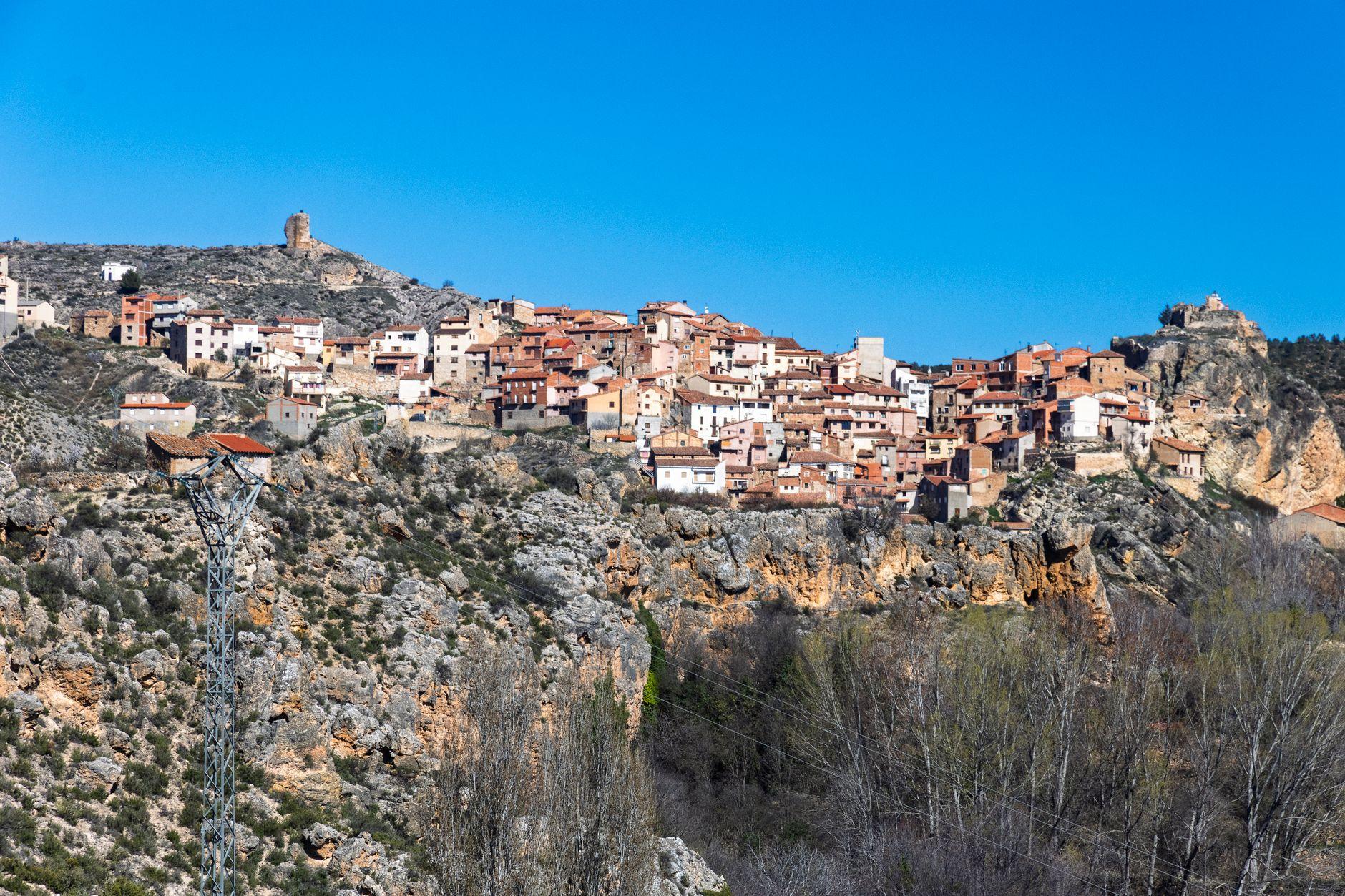
Mura appears late. The BV-1221 bends through forest and rock for long enough that a village seems unlikely; then tiled roofs gather in the valley and stone lanes begin climbing between them. Its modest scale is the reason to come. There is no single sight that justifies a rushed detour, only a place that becomes more convincing as the day slows down.
Allow five to seven hours for the village, lunch and one short signed walk. Arrive before late morning, leave the car at the signed edge rather than searching the centre, and make the church of Sant Martí the first fixed point. Everything else can follow the shape of the lanes.
Sant Martí gives the village its centre
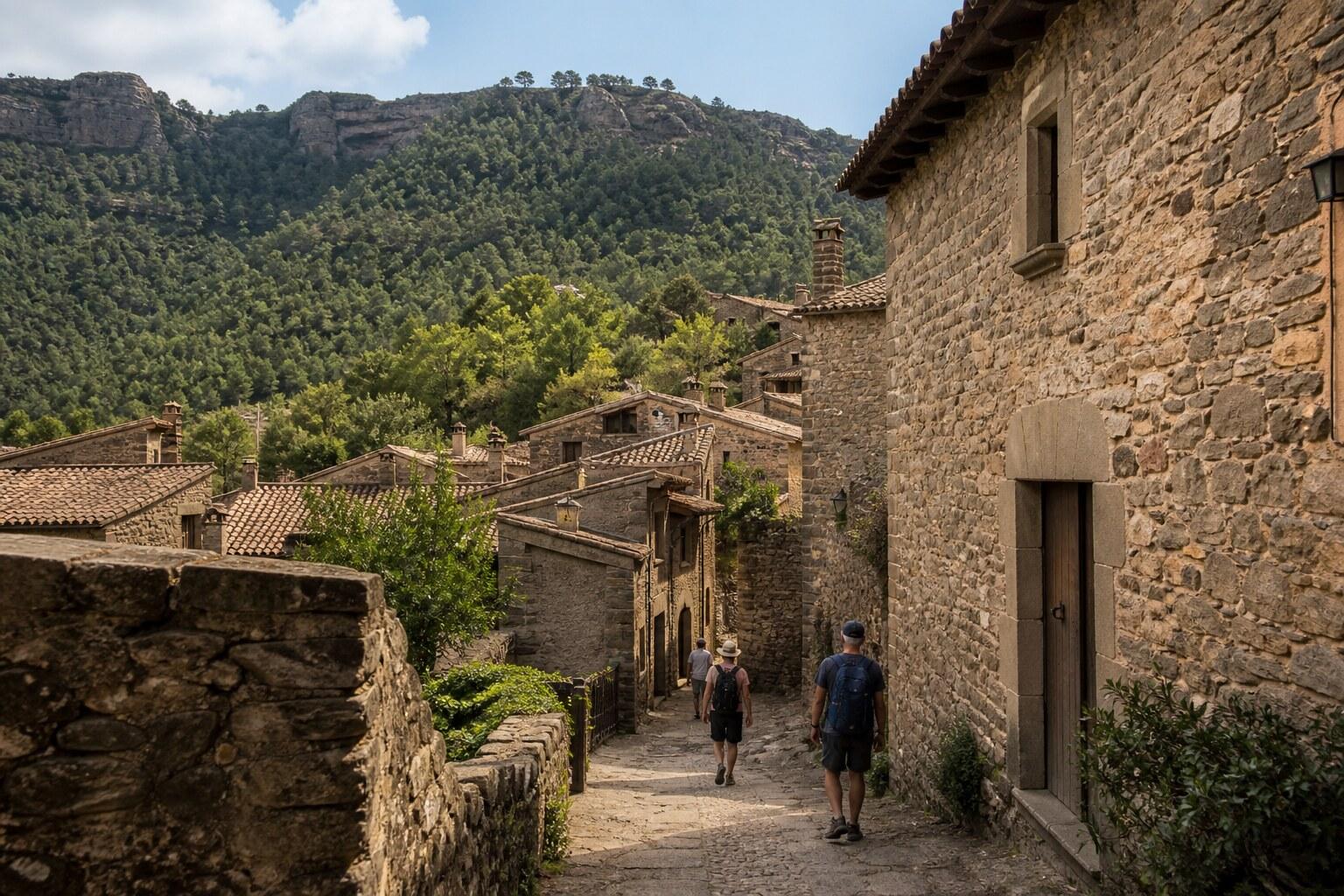
Mura’s houses fold closely around the Romanesque church of Sant Martí. Approach through arches and stepped passages rather than treating the church as a drive-up monument. Doorways, plants and small courtyards make the walk intimate, but most belong to homes. A quiet street is not an invitation to photograph through windows or occupy a threshold.
The old centre needs about an hour when walked without hurry. Look back whenever a lane gains height: roofs replace façades, and the forested sides of Sant Llorenç del Munt i l’Obac return around the village. This repeated shift between close stone and open landscape is Mura’s real composition.
The information centre decides the walk
Before leaving the final houses, use the park information point to match a route to daylight, heat and recent restrictions. The Mura Information Centre publishes its own seasonal opening periods; it is not a daily, year-round service. When closed, rely on a downloaded official map and trail signs rather than improvised shortcuts.
A short springs circuit keeps the day gentle. A longer outing toward Puig de la Balma changes it into a proper rural walk with more time, surface and ascent. Choose one before lunch and carry water from the village. The surrounding land includes private property, so a tempting track is not automatically public.
High fire danger can restrict access across the natural park. On those days, keep the visit within Mura and follow official park instructions. The village does not become a failed trip simply because the forest walk is removed.
Lunch is part of Mura’s rhythm
Weekend restaurants draw visitors in their own right, while weekday and off-season choice can be thin. Reserve Sunday lunch and ask when the kitchen expects the table. A realistic planning range is €25–45 per person for a full meal, though the menu and date determine the actual price.
Do not schedule another village immediately afterward. Mura’s winding approach makes repeated arrivals consume the day, and a long meal belongs naturally between the walk and a final circuit of the centre.
Compare overnight stays around Mura only if an evening in the natural park is the point; the village itself works comfortably as a day visit.
The M11 makes a car-free weekend possible
Driving remains the flexible option, but the park bus gives Mura an unusually useful public-transport alternative. The official Bus Parc page lists the M11 between Terrassa, Coll d’Estenalles, Mura and Talamanca on Saturdays, Sundays and public holidays, except Christmas and New Year’s Day.
When checked on 17 August 2026, a single from Terrassa or Matadepera to Mura cost €4.50, and the combined FGC train-and-bus ticket from Barcelona cost €11.65. The one-zone fare reaches Coll d’Estenalles but not Mura; a three-zone product is required. Save the final return before leaving Terrassa, because missing it turns a quiet day into a difficult taxi search.
Whether arriving by bus or car, finish where the day began: below Sant Martí, with the lanes now familiar. Mura does not need a finale. Its success is the feeling that nothing important was waiting at the next stop.
Related guides
- Montfalcó Murallat: How to Visit Catalonia’s Tiny Walled Village
Walk around and through Montfalcó Murallat without expecting a full-day attraction from one of La Segarra’s smallest enclosed settlements.
- Gerri de la Sal: Salt Pans, Bridge and Monastery
Follow Gerri de la Sal’s brine from the old salt storehouse to its pans, stone bridge and monastery on a careful half-day stop.
- Salàs de Pallars Old Shops: A Guided Village Visit
Reserve the guided Botigues Museu route, arrive at the right meeting point and leave time to see Salàs beyond its recreated shops.
Are you in the know?
Receive new articles, local updates, and occasional offers from selected partners. We never share your email address. Unsubscribe at any time.
By subscribing you agree to our privacy policy.